Election Day: November 3, 2026!
Planting Seeds
Smarter growth, safer roads, and real solutions that put our communities first—not developers

Smarter growth, safer roads, and real solutions that put our communities first—not developers
Smarter growth, safer roads, and real solutions that put our communities first—not developers
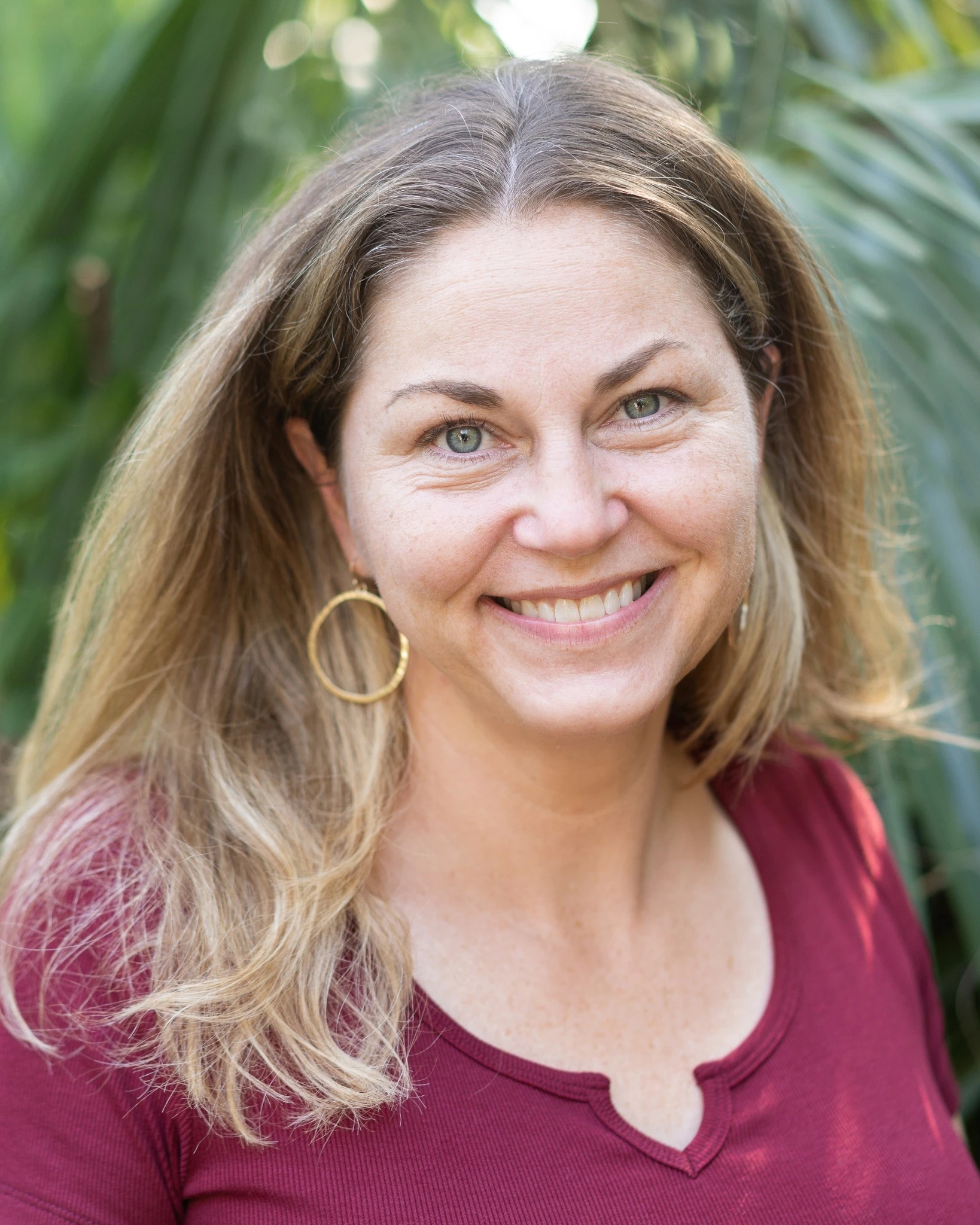
Hi, my name is Katie Miller. I'm a mom, wife, small business owner, hold a degree in environmental studies, and I'll be on your November 3rd ballot for Charleston County Council. It's me or the 15-year incumbent who's had more than enough time to listen to his constituents and slow down out-of-control growth. Fifteen years to address traffic, unsafe roads, loss of woods and greenspace, housing costs, flood insurance rates, and rising utility rates. Our quality of life. It's him or me on your ballot — and only one of us has developers as clients.
Charleston County grows best when it grows right.
Lowcountry culture has orbited around nature for centuries — it's our natural history and our environmental heritage. But here in Mount Pleasant, we're losing that connection. Our kids are growing up on concrete. We've got the manicured amenities, sure, but paving over our pristine wetlands and forests has become so commonplace that people don't have a woods to walk in or a marsh to fish on anymore.
Growing smart is the direction this county has to move in now. New construction needs to work toward solving our biggest overdevelopment problems — not making them worse. If Charleston County Council used the tools already sitting in their toolbox, our growth could focus on safe, shorter commutes, real flood mitigation, and environmental protections that actually protect something.
So why seeds? Because growing something small, native, and right where it belongs is the whole idea, in miniature. Plant a few. See what grows.

Black-eyed susans (Rudbeckia hirta) are native to South Carolina — and to nearly all of the lower 48 states, which is probably why the name rings a bell. Cheery yellow flowers, chocolate-brown centers, hairy leaves waving in the breeze. Grows to about 2' tall.
They're biennial, and they're the classic pioneer species in new native plantings — they come in strong in the early years, hand the baton to longer-lived perennials, and keep reappearing for years after because they're prolific self-seeders. Drought tolerant. Low-maintenance. High-reward.
Their bright yellow flowers attract butterflies, moths, and bees, making them serious value for local pollinators. By July, the rudbeckias will be pulling in butterflies and goldfinches. This is a plant that's earning its keep in the yard, not just decorating it.
Full sun to part shade, sunny patch preferred.
You'll want firm, weed-free soil.
Sprinkle them evenly across the patch — or chuck a pinch in the back corner of the garden and see what happens. This is allowed to be a garden surprise.
⅛" to ¼" of loose garden soil over the top.
Otherwise, let it be.
Year one is roots and establishment. Year two is the show.
Where do I plant the seeds? Sprinkle them evenly across a sunny, weed-free patch of soil. Or chuck them in the back of the garden and see what happens. Have fun — this is a little garden surprise.
Where will they grow best? Black-eyed susan grows best in dry to moist soils and tolerates a wide range of soil types, but it doesn't tolerate poorly drained soil. Full sun or part shade both work.
Do they need fertilizer? No.
Will they need to be watered? Only during summer drought conditions.
Will they come back? Yes — biennials live for two growing seasons. New black-eyed susans will come up in the same spot if you let the seed heads brown and drop in the fall. Those dried seed heads are also a favorite snack of our overwintering goldfinches and the millions of migratory birds passing through each fall. Expect prolific blooming in year two, plus plenty of self-sowing and pollinator traffic.
Will they die in the winter? They'll die back, but let the flower heads go to seed first — that's what gives you more plants in spring. Come back bigger and bolder next year.
Something is eating the leaves. Good. That's a native plant doing native plant things. As part of our native ecosystem, it's recognized food for local insects — and whatever's chewing holes in your black-eyed susan leaves is about to become food for baby birds, tree frogs, and lizards. Enjoy your little slice of nature. It's something we're desperately missing in Mt. Pleasant.
Will deer eat them? Maybe. If they're already eating everything else but the lawn, they'll go for these too. See planting instructions above — spread wide, plant generously, and don't take it personally.
Why do I recognize this plant's name? Because black-eyed susan's native range covers nearly all of the lower 48 states. You've probably seen it your whole life without knowing its name.
How many seeds are here? About ¼ tsp, or .5g — several hundred seeds. But it won't turn into several hundred plants unless you're out here individually sowing each one like a greenhouse professional.
Where did the seeds come from? Roundstone Native Seed, LLC, Upton, KY. Lot #RUDHIR-25A.
I don't want these seeds. That's okay — thanks for visiting, and I hope I can count on your vote on November 3rd. These seeds are yours to do with as you please. Give them to a neighbor, mail them to family in another state, or donate them to the Wando Public Library seed-sharing program.